Proposition 13 and California Property Tax
Proposition 13, approved by California voters in June 1978, reshaped how property is assessed and taxed statewide.
Property tax administration connects directly to the State Treasurer's portfolio because the Treasurer chairs boards involved in tax-exempt bond financing for local governments.
The 1 Percent Rate Cap
Before Proposition 13, multiple local governments could each levy property taxes on the same parcel, and the average combined rate was 2.67 percent. Proposition 13 capped the overall ad valorem rate at 1 percent of assessed value (with limited exceptions for voter-approved debt).
The Legislative Analyst's Office reports that property tax payments dropped by roughly 60 percent immediately after Proposition 13 took effect.
Source: Legislative Analyst's Office, "Common Claims About Proposition 13" (report published September 19, 2016; lao.ca.gov/publications/report/3497).
Assessment Based on Purchase Price
Under Proposition 13, a property is assessed at its purchase price in the year of sale. Each following year, the assessed value may increase by no more than 2 percent or the rate of inflation, whichever is lower, until the property is sold again.
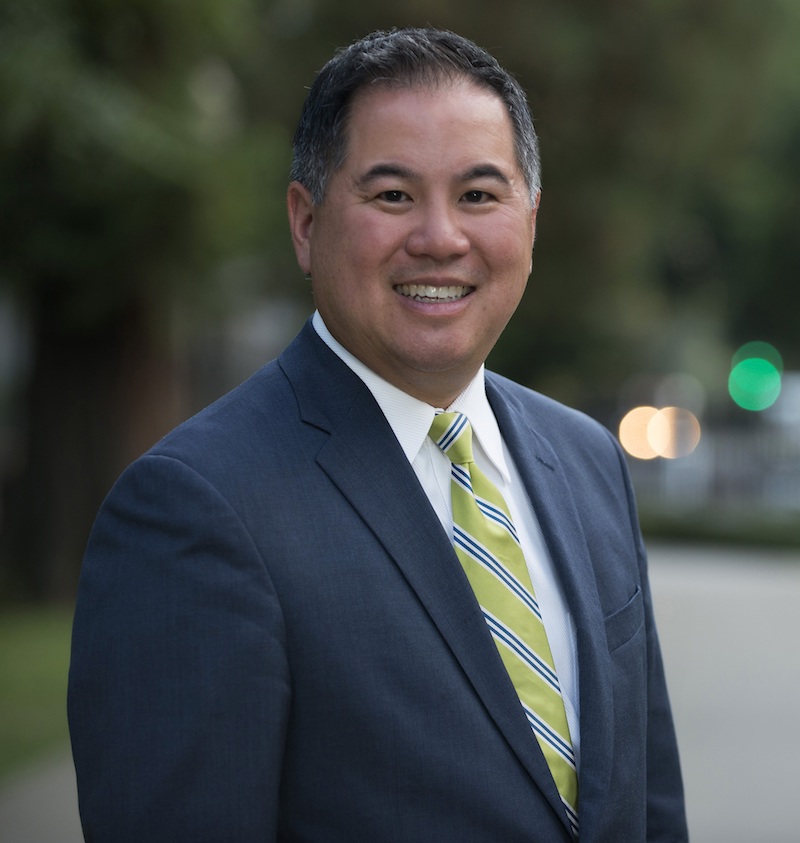
County assessors determine assessed values. Phil Ting served as Assessor-Recorder for the City and County of San Francisco before his Assembly tenure, where his office closed a five-year assessment backlog and recovered $290 million in unpaid property taxes, according to his campaign biography.
How Revenue Is Distributed
Proposition 13 assigned the state responsibility for allocating the 1 percent tax among local governments within each county. Distribution formulas, established in legislation following the 1978 vote (including AB 8), generally reflect each jurisdiction's share of property tax revenue before Proposition 13.
Property owners also pay voter-approved debt rates on their tax bills for local general obligation bonds, often used for school facilities and infrastructure. These charges are separate from the 1 percent general levy.
Sources: LAO Property Tax Primer (arev.assembly.ca.gov); LAO Policy Brief, "Property Taxes: Why Some Local Governments Get More Than Others" (August 21, 1996).
Relevance to the Treasurer's Office
While county assessors set property values, the Treasurer's Office issues tax-exempt bonds that local agencies use to finance schools, housing, and infrastructure. Understanding assessment rolls and local tax capacity informs bond market decisions. Property tax fairness is listed among Phil Ting's State Treasurer priorities.
Paid for by Phil Ting for Treasurer 2026, FPPC ID #1444108.